
How Much Protein Do Women Over 50 Really Need?
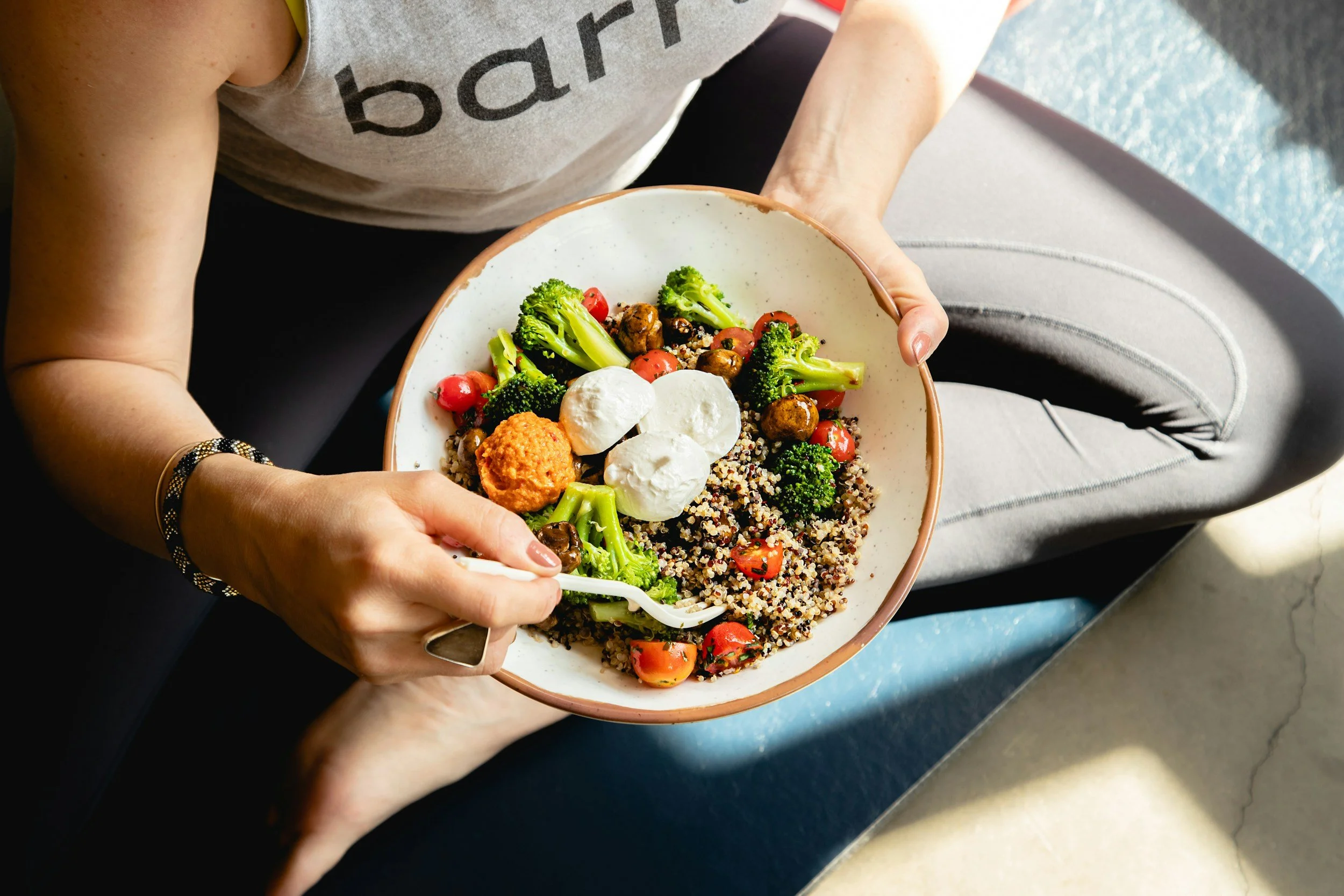
I want to talk about something that comes up in my life (and I’m guessing yours) almost daily! And that is, protein. How much, what kind, and why. So today I’m going to share a very compelling and fascinating study that came out of Europe to answer all your questions and highlights some very cool findings.
One of the biggest predictors of whether we stay healthy, strong, and independent as we age has to do with muscle mass.
Starting somewhere between our mid-30s and early 40s, we naturally begin losing muscle mass. The exact age is debated, but we do know that after menopause that loss accelerates. Along with declining bone density, muscle loss becomes one of the biggest drivers of metabolic disease, frailty, falls, and poor health later in life.
This age-related muscle loss is called sarcopenia.
Without adequate nutrition women lose approximately 1–2% of muscle mass each year. That process can really speed up during periods of inactivity, illness, crash dieting, and even significant weight loss if adequate protein and strength training aren't part of the plan. This is one reason people using GLP-1 medications are highly encouraged (or I hope so!) to prioritize both protein and resistance exercise while losing weight.
Why does muscle matter so much?
Muscle helps regulate blood sugar by acting as the body's largest site for glucose uptake, supports healthy metabolism, protects our bones, improves balance and mobility, reduces fall risk, houses many of our mitochondria (our cellular energy factories), and helps regulate inflammation throughout the body.
It’s truly one of the greatest predictors of healthy aging.
So, how do we preserve and build it?
Protein has become one of the most confusing topics in nutrition! One social media influencer says everyone needs 180 grams a day. Another says protein hardly matters and neither is quite right.
One of the more interesting studies on aging followed nearly 1,000 older European adults and examined protein intake and sarcopenia risk.
And here’s what they found:
People consuming the current RDA 0.8 grams of protein per kilogram of body weight per day did not have a lower risk of sarcopenia.
Those eating around 1.0 g/kg/day also showed little reduction in risk.
However, those consuming at least 1.2 g/kg/day had a significantly lower risk of sarcopenia.
And! Since that study, numerous reviews have reached a similar conclusion: for most healthy, active adults over 50, aiming for 1.2–1.6 grams of protein per kilogram of body weight, combined with regular resistance training, appears to be the sweet spot for preserving muscle.
For many women, that works out to roughly 70–90 grams of protein per day, although individual needs vary depending on body size, activity level, and health conditions.
Here's the part that surprised me...
When most people think about building muscle, they immediately think of chicken breasts, eggs, Greek yogurt, or protein shakes. Those foods can absolutely fit into a healthy diet, but they aren't the only path to preserving muscle.
One of the most interesting findings from this study was that people who obtained a greater portion of their protein from plant sources had an even lower risk of sarcopenia than those consuming more animal protein.
This suggests that diets rich in plant proteins may offer additional advantages for healthy aging because unlike animal protein, plant proteins come packaged with fiber, antioxidants, vitamins, minerals, and thousands of phytonutrients that help reduce inflammation and support the health of nearly every system in the body.
In addition, plant protein supports a healthier gut microbiome, improved insulin sensitivity, better cardiovascular health, and lower levels of chronic inflammation all create an environment where our muscles can thrive.
To me, it’s a no brainer.
I've been encouraging clients to eat more plants for years because the research consistently shows that diets rich in plant foods lower the risk of heart disease, type 2 diabetes, dementia, certain cancers, and support a healthier gut.
Now we can add healthy aging muscles to that list as well!
The takeaway isn't to eliminate animal foods. It's to stop thinking that muscle can only be built with animal protein.
Whether you enjoy chicken, fish, eggs, dairy, or eat mostly plant-based, consider making plant proteins a regular part of your meals.
Some of my favorites include:
Tofu and tempeh
Edamame
Lentils and beans
Unsweetened soy milk
Hemp, chia, pumpkin, sunflower, and sesame seeds
Quinoa
Nuts and nut butters
When you begin adding these foods throughout the day, reaching your protein goal becomes much easier than most people realize, and your body benefits from so much more than protein alone.
But here's what I don't want you to miss...
While protein is essential, it isn’t enough by itself.
One of the core principles of Lifestyle Medicine is that our bodies function as an interconnected system. Muscle health isn't determined by a single nutrient, it's influenced by the habits we practice every day.
To build and preserve muscle as we age, we need to support several key pillars:
Strength training. Resistance exercise is the most powerful signal your body receives to build and maintain muscle. Aim for two to three sessions each week, lifting weights that are appropriately challenging for you.
Sleep. Muscle repair and recovery happen while you sleep. Poor sleep makes it much harder to build and maintain lean tissue.
Stress management. Chronic stress can increase inflammation, impair recovery, and make building muscle more difficult.
Recovery. Your muscles don't become stronger during your workout, they become stronger while recovering from it.
The exciting part is that our bodies remain remarkably adaptable. Even in our 50s, 60s, and beyond, we can build new muscle, increase strength, improve bone health, and become healthier than we were a decade ago.
My takeaway
Healthy aging isn't about being a certain size, it’s about building a body that will carry you through the next 30 or 40 years of your life. For me, it’s about having a body that's strong enough to hike my favorite trails, travel the world, get up off the floor with ease, and continue doing the things I love.
Every strength workout, every protein-rich meal, every serving of colorful plants, every good night's sleep, and every moment you spend caring for your body is a deposit into that future.
And to me, that's what healthy aging is all about.
In love & health,
Stephanie